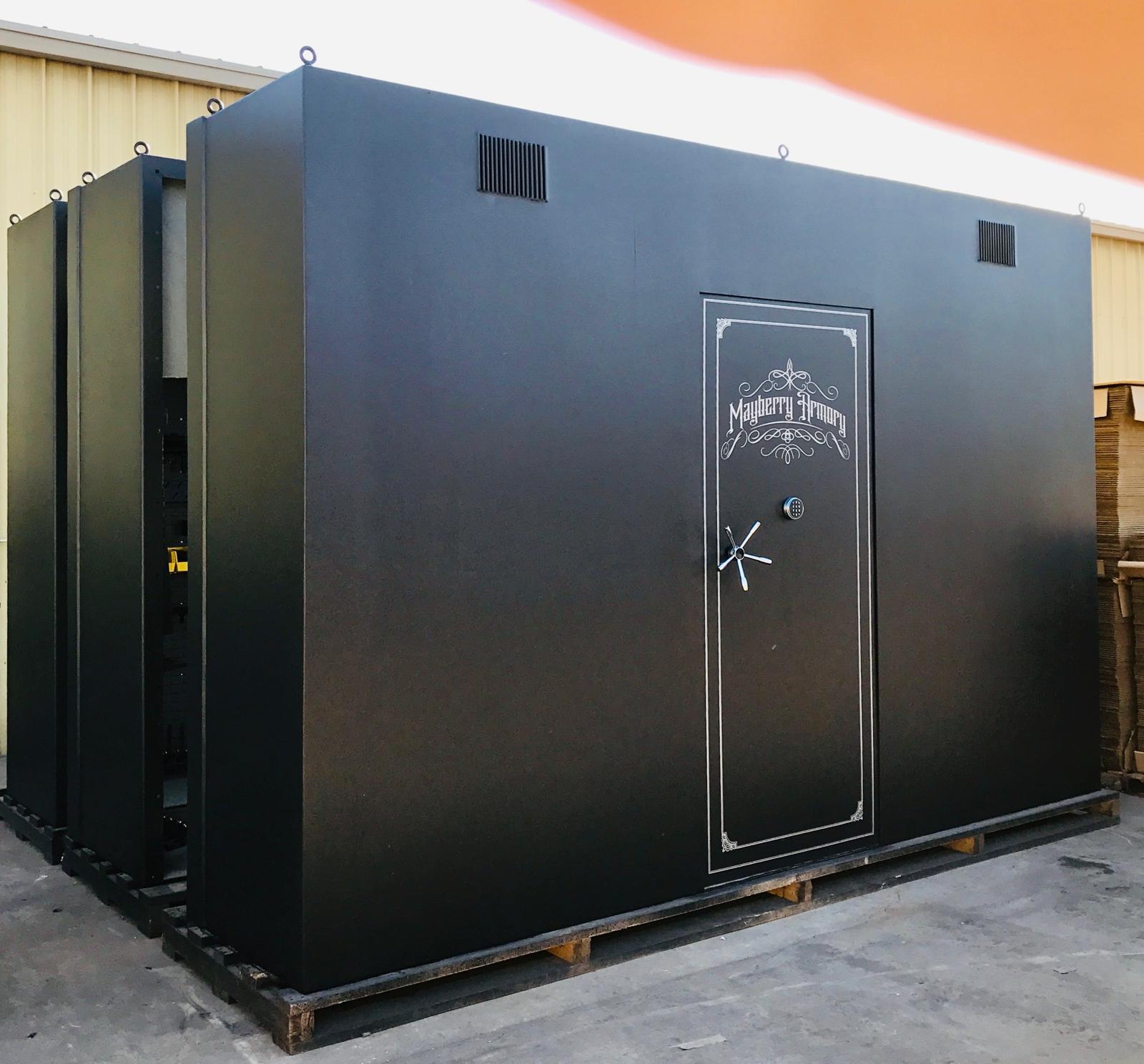
Tornadoes are among the most destructive and unpredictable natural disasters, capable of causing extensive damage in a matter of minutes. For families and homeowners in tornado-prone areas, safety is a top priority. Certified steel safe rooms for tornado protection have emerged as one of the most reliable ways to safeguard lives during severe storms. Understanding the science behind these structures reveals why they are engineered to withstand extreme forces and provide peace of mind during tornado events.
How Certified Steel Safe Rooms Work
Certified steel safe rooms for tornado protection are designed to resist the intense winds, flying debris, and sudden pressure changes that occur during a tornado. Unlike traditional basements or improvised storm shelters, these safe rooms are built with rigorous engineering standards that prioritize structural integrity and human safety. Steel is an ideal material due to its high tensile strength, durability, and resistance to bending or breaking under stress.
The design of a certified steel safe room focuses on creating a fully enclosed space that protects occupants from both impact and debris penetration. Walls, doors, and ceilings are reinforced with heavy-gauge steel panels, often rated to withstand winds exceeding 200 miles per hour. Anchoring systems secure the safe room to the foundation, preventing it from being lifted or displaced during violent storms. Engineers consider factors such as load distribution, reinforcement patterns, and ventilation when designing these safe rooms, ensuring optimal performance under extreme conditions.
In addition to physical strength, certified steel safe rooms for tornado protection are tested for impact resistance. Simulated debris, such as wooden boards, bricks, and metal fragments, is launched at the structure to replicate tornado conditions. Only safe rooms that pass these rigorous impact tests receive official certification, guaranteeing that they meet or exceed federal safety standards.
The Role of Certification in Tornado Safety
Certification is a critical aspect of tornado protection. Certified steel safe rooms are evaluated according to guidelines established by organizations such as the Federal Emergency Management Agency (FEMA) and the International Code Council (ICC). These certifications ensure that the safe room can reliably protect occupants during a tornado, giving homeowners confidence in the structure’s performance.
FEMA’s standards, for example, classify safe rooms based on their ability to withstand different tornado intensities, from EF-3 to EF-5, which represent the most violent tornadoes. Certified steel safe rooms for tornado protection must demonstrate resistance to both wind pressure and impact forces generated by flying debris. This testing process ensures that the room’s walls, ceiling, and door maintain structural integrity even under the most extreme conditions.
Certification also establishes clear installation guidelines. Professionals must adhere to precise construction methods, including anchoring, welding, and panel alignment, to maintain the safe room’s protective capabilities. This ensures uniform quality across all certified steel safe rooms and minimizes risks associated with improper installation.
Advanced Engineering Principles
The effectiveness of certified steel safe rooms for tornado protection relies heavily on advanced engineering principles. Load distribution is a primary consideration. Engineers design walls and ceilings to evenly distribute forces from wind pressure, reducing stress points that could compromise structural integrity. This approach ensures that no single component bears excessive load, enhancing overall resilience.
Impact resistance is another critical factor. Engineers utilize high-strength steel and reinforced panels to prevent penetration by flying debris. Research into material science informs decisions about steel thickness, panel layering, and reinforcement techniques, creating a structure capable of withstanding repeated impacts without failure.
Aerodynamics also play a role in safe room design. Smooth, reinforced surfaces help reduce wind turbulence inside the structure and prevent air pressure buildup that could damage walls or doors. Properly sealed doors and vents ensure that wind and debris cannot infiltrate the safe room while maintaining necessary ventilation for occupant safety and comfort.
Finally, anchoring systems are engineered to resist uplift forces during tornadoes. Certified steel safe rooms for tornado protection are bolted or welded to concrete foundations, preventing them from being lifted or shifted by extreme winds. Engineers calculate anchor spacing, depth, and material strength to ensure the room remains securely in place under maximum load conditions.
Human Safety and Comfort
While structural strength is paramount, certified steel safe rooms also consider human safety and comfort. These rooms provide sufficient space for families to gather during a tornado, reducing panic and ensuring orderly protection. Ventilation systems maintain air quality during extended stays, preventing suffocation or heat-related issues.
Many safe rooms include interior features designed for convenience, such as lighting, communication equipment, and emergency supplies. This allows occupants to remain in the safe room for the duration of the storm while maintaining access to critical resources. The design of certified steel safe rooms for tornado protection emphasizes not only survival but also psychological reassurance, which is vital during high-stress emergencies.
Installation and Maintenance Considerations
Proper installation is essential to the performance of certified steel safe rooms. Only trained professionals should handle the construction of these structures, following manufacturer guidelines and certification standards. Improper installation can compromise safety, regardless of the quality of the steel or engineering design.
Maintenance is also critical to long-term performance. Homeowners should inspect the safe room periodically, checking for rust, loose bolts, or damage to seals and panels. Regular maintenance ensures that certified steel safe rooms for tornado protection continue to meet safety standards and remain fully functional when needed.
Additionally, homeowners are encouraged to familiarize themselves with emergency procedures, ensuring that everyone in the household knows how to quickly access the safe room and use its features during a tornado. Combining a well-engineered safe room with preparedness strategies maximizes protection and peace of mind.