

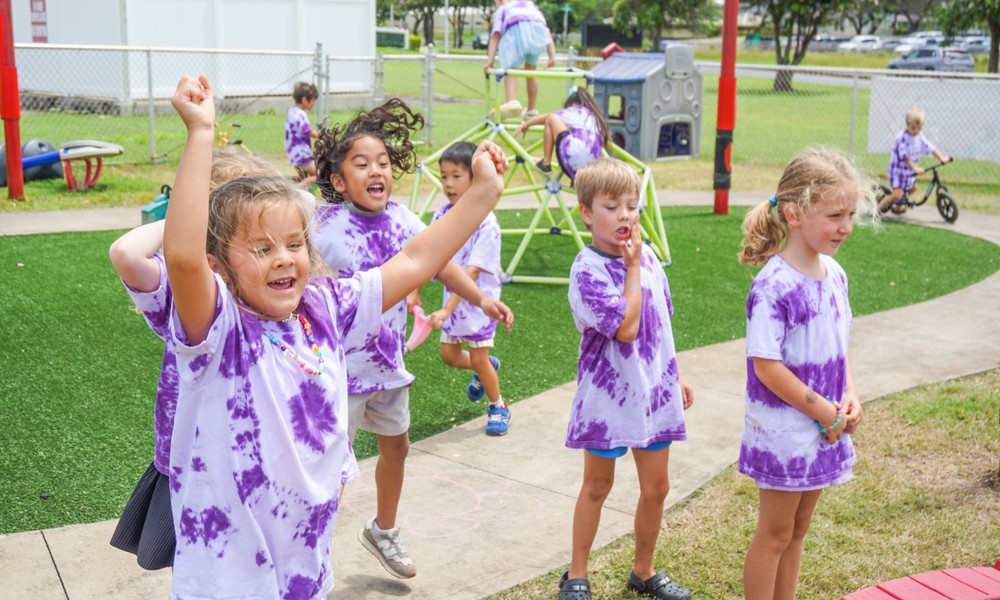
Choosing a suitable early learning program can shape a child’s growth in meaningful ways. Families want a place that nurtures curiosity, builds confidence, and supports social skills from a young age. A thoughtful decision can set the tone for future learning experiences and emotional development.
Parents in Hawaii value education that reflects both quality and cultural richness. With many options available, selecting the right setting may feel complex at first. This article explains the main points families should review before making a final choice for their young learner.
Academic Approach and Daily Activities
A strong curriculum forms the base of a positive early education experience. During preschool enrollment in Hawaii, parents should review how programs balance play, structure, and learning. Teachers who use creative methods can help children explore ideas through stories, art, and simple science tasks. These activities encourage curiosity and support language growth.
Daily schedules also matter because consistency helps young learners feel secure. Parents can ask how the day flows from arrival to pick-up time. A good plan includes group interaction, independent play, and rest periods. This balance supports both mental focus and emotional comfort.
Teacher Experience and Classroom Interaction
Qualified educators make a clear difference in early education settings. Teachers with proper training understand child development and guide behavior with patience. They create a welcoming space where children feel valued and understood. Positive interaction between staff and children builds trust and supports emotional growth.
Parents should observe how teachers respond to questions and manage group activities. Warm communication and active engagement show that the team cares about each learner. A supportive classroom encourages confidence and social connection among peers.
Safety Standards and Learning Environment
A secure and clean setting allows children to explore with confidence. Families should review safety measures such as secure entrances, proper supervision, and clear emergency plans. Clean classrooms and organized materials show attention to detail and care.
Outdoor areas also play a key role in early education. Safe play spaces allow children to develop physical skills and enjoy fresh air. In Hawaii, natural surroundings often add a unique charm to these spaces, making learning more engaging and enjoyable.
Location, Schedule, and Accessibility
Convenience plays a major role in daily routines. A center located near home or work reduces travel stress and saves time. Families should also check operating hours to ensure they match their schedule. Reliable timing supports consistency for both parents and children.
Practical Points to Review
- Distance from home or workplace
- Availability of flexible drop-off and pick-up times
- Parking or transportation options
- Clear communication about holidays and closures
These factors may seem simple, yet they affect daily comfort and long-term satisfaction. A well-located center helps families maintain a smooth routine.
Cultural Values and Community Connection
Education in Hawaii often reflects a deep respect for local traditions and community life. Programs that include cultural elements help children develop a sense of identity and belonging. Activities such as storytelling, music, and group celebrations bring these values into daily learning.
Parents may also look for opportunities that involve family participation. Events and shared activities strengthen the bond between home and school. When preschool enrollment in Hawaii includes cultural awareness, it creates a more meaningful and enriching experience for young learners.
A thoughtful choice in early education can shape a child’s confidence, curiosity, and social skills. Families who review teaching quality, safety, location, and cultural values can make informed decisions with ease. Each factor contributes to a balanced and supportive learning journey. By taking time to evaluate these aspects, parents can ensure a positive start for their child’s educational path in Hawaii. Careful planning today can support steady growth and joyful learning experiences in the years ahead.
