

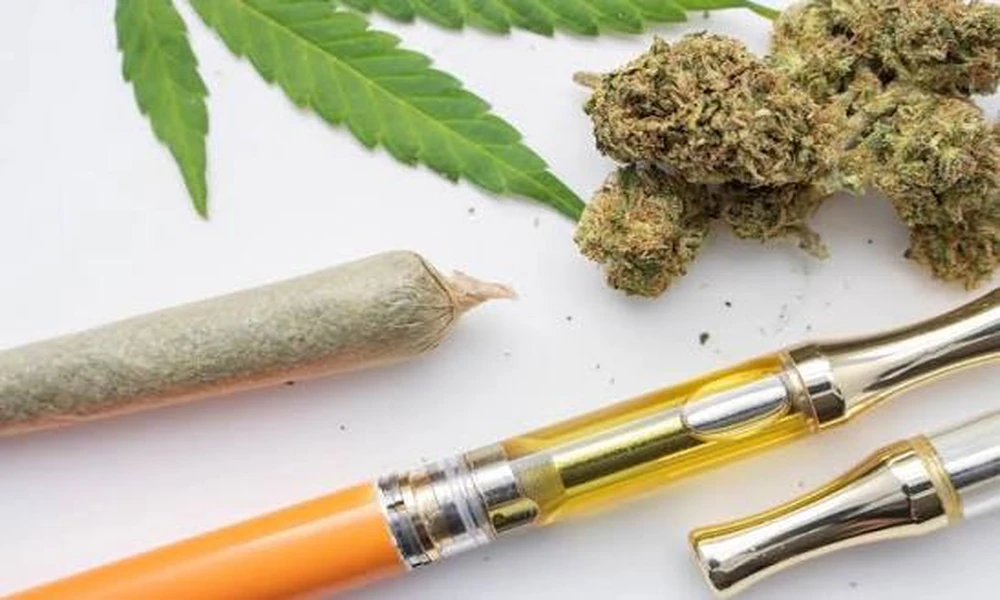
Hemp shelves have expanded rapidly over the past few years, and chewable products now compete for attention across dozens of formats and strengths. Most buyers approaching the category for the first time assume that one hemp chew behaves like another. This is particularly when the jars look similar, and the flavour names overlap. That assumption fades quickly once someone moves from a standard hemp product to thcp gummies and notices how differently the two experiences unfold. Composition, receptor behaviour, and production discipline separate this segment from everything else sharing shelf space with it. Buyers who investigate those differences make regret-free purchases.
What sets them apart?
THC gummies differ from other hemp treats because the cannabinoid they contain binds to receptors with greater affinity than any other compound found in hemp chews. That binding difference reshapes each aspect of the experience. No other widely available hemp chewable operates at the same receptor level, which is why the two categories cannot be compared purely on milligram counts or flavour variety.
Beyond the chemistry, a small piece delivers an effect profile that standard hemp treatments cannot approach, which is why producers approach each batch with unusual precision. Laboratory verification of cannabinoid content per piece has become standard practice among reputable makers. Most publish those results openly for buyers to check before purchasing. Pacing adds another layer of difference. Common hemp chews produce a brief, mild impression that fades within a short window. This category unfolds over a longer arc and retains its character throughout. Seasoned buyers describe the contrast as one of depth rather than raw intensity, which captures the distinction more accurately than any milligram comparison.
How does strength compare?
Potency per milligram runs well beyond familiar hemp compounds. This leads producers to use lower concentrations per gram while still achieving a complete and satisfying effect. Buyers who shop purely by milligram count often find the numbers misleading until they read the lab certificate and experience the product for themselves. Third-party testing confirms both concentration and purity across each batch, and certificates confirm federal hemp thresholds are respected throughout. Buyers who read documentation before purchasing can compare products across brands with something more reliable than packaging language. That habit produces far better outcomes than browsing by label design alone.
Texture and flavour range
- Chew consistency choices: Various manufacturers offer firm pectin bases alongside softer gelatin builds, and each style suits a different kind of buyer. Pectin versions hold shape better in warm conditions and suit plant-based preferences without sacrificing texture quality. Softer gelatin builds release flavour faster on the tongue and appeals to buyers who prefer a format closer to classic confectionery. Both styles carry the same carefully measured cannabinoid load, so the decision between them comes down to personal preference rather than performance.
- Flavour layering methods Fruit blends dominate the category, with producers pairing tropical notes against citrus bases or layering berry profiles over stone fruit foundations. Careful flavour construction masks the earthy hemp extract without artificial heaviness that leaves an unpleasant aftertaste. Several producers rotate seasonal varieties through the year, which keeps returning buyers engaged with the range and encourages sampling beyond a single default flavour.
Chewable hemp products may appear interchangeable at first glance. However, composition, pacing, and production discipline tell a different story once a buyer looks past the packaging. Every element that distinguishes this category reflects deliberate choices by producers who take the format seriously, and buyers who investigate those choices quickly understand why the shelf section continues to grow.
