

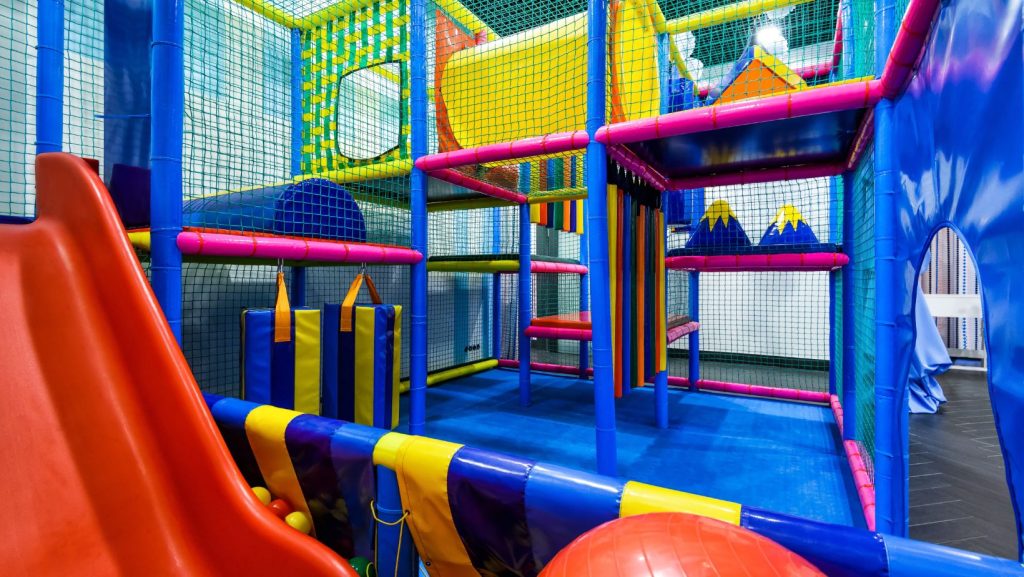
The sight of children dashing across brightly colored play structures is more than just a picture-perfect moment. In many neighborhoods, indoor playgrounds are quietly revolutionizing community spaces, smashing old myths about cost, accessibility, and value, while rarely demanding a sky-high investment.
Myth 1: Indoor Playgrounds Are Too Expensive to Build and Maintain
Sticker shock often stops conversations about indoor play spaces before they start. Yet, many communities are discovering that initial costs can be offset by long-term benefits. While traditional playgrounds require periodic surfacing upgrades and weather-related repairs, indoor installations offer greater protection from the elements, reducing upkeep over the years.
Breaking Down Initial Costs vs. Long-Term Value
An investment in a well-designed indoor playground pays off through consistent usage, regardless of season. Parents are willing to pay modest entry fees, and membership models further improve sustainability. Unlike outdoor parks that sometimes fall dormant in winter or rain, indoor play spaces enjoy steady foot traffic all year, supporting operational costs.
Affordable Design and Modular Solutions
Gone are the days when only luxury facilities could afford indoor playgrounds. Today, modular equipment can adapt to available spaces and budgets. Community centers often collaborate with providers specializing in customizable, expandable solutions, making it feasible to start small and scale up as demand grows.
Myth 2: Indoor Playgrounds Don’t Benefit the Community Beyond Kids
It is easy to dismiss play spaces as just “kid zones,” but they have a surprisingly broad impact on neighborhoods.
How Playgrounds Boost Local Economy and Social Bonds
Think of the ripple effects: families linger longer in local cafes, small businesses see increased foot traffic, and neighbors meet in relaxed, informal settings. These venues often become hubs for birthday parties, local fairs, or parent meetups, strengthening community ties and supporting surrounding commerce.
Creating Inclusive Spaces for All Ages
Modern facilities intentionally design communal lounge areas, quiet nooks, and accessible equipment so that siblings, grandparents, and caregivers all feel welcome. These inclusive features transform indoor playgrounds into multi-generational gathering spots, not just playgrounds for kids.
Myth 3: Weather-Proof Play Areas Aren’t Necessary in All Neighborhoods
Ask any parent who’s weathered a long rainy week or a scorching summer in the city. When outdoor parks are unsuitable, safe indoor alternatives become invaluable.
The Impact of Year-Round Accessibility on Child Development
Regular opportunities for active play, regardless of weather, directly support children’s motor skills, social interaction, and creativity. In cities where outdoor space is limited, indoor playgrounds offer a safe, stimulating environment every day.
Combating Urban Space Scarcity with Indoor Solutions
Creative use of underutilized buildings or commercial spaces helps tackle the challenge of shrinking outdoor areas. Transforming vacant storefronts or unused gymnasiums into play zones brings life back to forgotten corners of neighborhoods.
Myth 4: Safety Risks Make Indoor Playgrounds a Liability
Concerns about safety are natural, but modern playgrounds are built with rigorous standards in mind.
Modern Safety Standards and Design Innovations
Manufacturers now use soft, durable materials and rounded surfaces to prevent injuries. Security features like padded flooring, clear sightlines for caregivers, and age-appropriate zones dramatically reduce common risks.
Real-World Safety Records and Parental Peace of Mind
Communities report fewer weather-related injuries or vandalism incidents when compared to outdoor parks. Regular maintenance and staff supervision keep spaces clean and secure, giving parents one less thing to worry about.
Myth 5: Indoor Playgrounds Limit Physical Activity Compared to Outdoor Parks
The image of children sprinting on grass is iconic, but indoor playgrounds have evolved well beyond ball pits and slides.
How Indoor Play Supports Active and Cognitive Play Equally
Equipment such as climbing walls, obstacle courses, and interactive panels encourage both movement and problem-solving. These facilities are designed to meet or exceed activity levels recommended for children, ensuring that “indoor” does not mean “inactive.”
Examples of Equipment and Activities That Encourage Movement
Modern spaces incorporate imaginative play structures, sensory zones, and group games. Some offer open gym hours, fitness classes, and even after-school programs that get kids moving and thinking.
Myth 6: Indoor Play Spaces Are Just Entertainment, Not Educational
Fun does not mean frivolous. Many playgrounds weave learning directly into play.
Playgrounds as Catalysts for Creativity and Learning
Open-ended play fosters cognitive growth, social skills, and emotional regulation. Themed areas or rotating installations spark curiosity and wonder, making learning a natural byproduct of fun.
Incorporating Developmental Programs and Community Events
Workshops, story hours, and STEM activities transform these venues into lively learning centers. Special events tie in local educators and artists, ensuring the playground benefits reach far beyond the play structures.
Myth 7: Small Neighborhoods Can’t Support or Sustain Indoor Playgrounds
Size is not a barrier, it’s often an advantage.
Case Studies of Successful Small-Scale Indoor Play Facilities
Many towns have found success by starting with compact, flexible play zones that fit into libraries, churches, or shared civic spaces. These mini playgrounds foster tight-knit communities and adapt to local needs.
Partnerships and Funding Models That Keep Budgets in Check
Working with local businesses, schools, and non-profits spreads costs and responsibilities. Grants, sponsorships, and volunteer hours further reduce the financial burden, making even ambitious projects attainable.
Maximizing Impact Without Breaking the Budget
Community involvement is the secret ingredient. Volunteers contribute time and creativity to keep spaces vibrant. Fundraisers, grant applications, and local sponsorships stretch budgets while building a sense of shared ownership.
Add in thoughtful design, like foldable equipment, multi-use rooms, or collaboration with established providers such as Inspire Play indoor playgrounds, and neighborhoods can create dynamic spaces that grow and change with their community.
Indoor playgrounds, at their best, are catalysts for lasting transformation. They build not just stronger kids, but stronger, more connected neighborhoods, without breaking the bank.
